Unreliable Narrator
Don't trust the storyteller
The narrator is lying — to you, to themselves, or both. Unreliable narrator stories challenge the reader to figure out what's real, creating a puzzle that rewards careful reading. This technique works brilliantly in thrillers, horror, and literary fiction where perception itself is the mystery.
Try it right now — no account
Free previews, written live by the AI. Previews cap at spice 3/5 — sign up free (18+) to unlock the full slider.
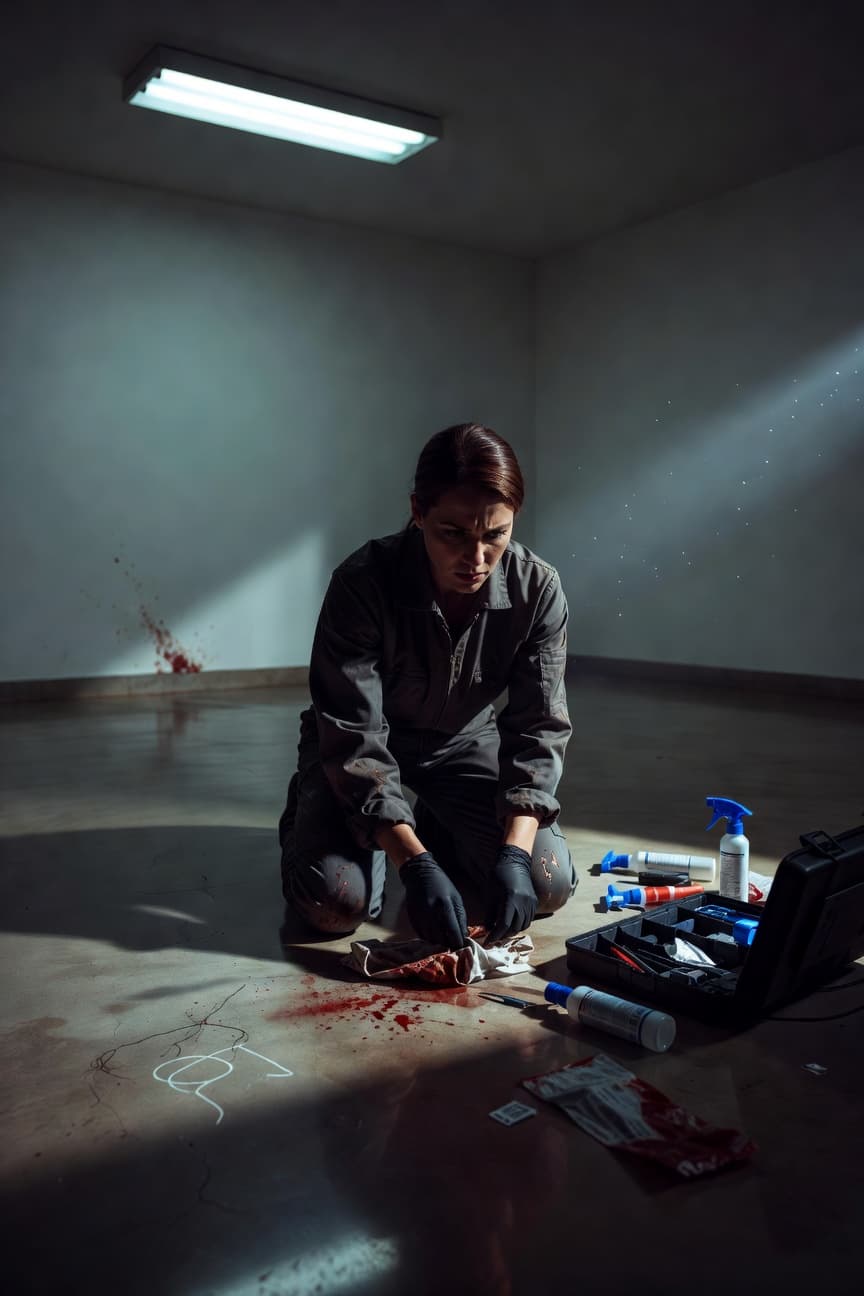
Clean Rooms
A forensic cleaner who specializes in crime scenes starts finding evidence that links her clients to each other — and to her own missing sister.

DEADLY TRAP
Cạm Bẫy Định Mệnh Bên Quán Nước Ven Đường Chiều hôm đó, khoảng 4 giờ chiều, chuyến hành trình từ Đồng Nai về Sài Gòn của tôi và vợ tưởng chừng chỉ là một buổi chiều mưa gió bình thường. Nào ngờ, nó lại biến thành một thước phim trinh thám rùng rợn, suýt chút nữa đẩy chúng tôi vào cái bẫy tinh vi của một băng nhóm lừa đảo chuyên nghiệp. 1. "Cafe Chết Máy" và Cú Lừa Định Mệnh Trời chuyển mưa to khi chúng tôi vừa đến xã Long Phước. Quyết định ghé vào một quán nước ven đường để trú mưa, chúng tôi gọi một trái dừa tươi. Tôi ngả lưng trên chiếc võng, quay mặt vào trong, còn vợ ngồi hướng ra đường. Khi cơn giông vừa ngớt, tôi dắt xe ra định tiếp tục lên đường. Thế nhưng, dù đề thế nào, chiếc xe vẫn im lìm bất động – một hiện tượng chưa từng xảy ra trước đó. Giữa lúc đang loay hoay, một thanh niên lạ mặt tiến lại gần, cất giọng dò xét: "Hết xăng à, đề không nổ à?" Hắn tiến sát đến chiếc xe, vội vàng đưa hai tay định nắm lấy tay cầm để "giúp đỡ".

Velvet Thorns
Theo Maeda arrives at the Elyria Institute with a single mission: destroy the Roses, the four untouchable students who hosted the party where his twin sister Bella was raped and driven to suicide. The elite boarding school’s famous “no love, no sex” rule is the perfect shield—until Theo discovers the Roses already operate above every rule. He slips into their glittering orbit disguised as a wide-eyed transfer student, but the moment he locks eyes with their magnetic leader, Noah Kang, the plan begins to fracture. Every stolen glance and secret touch pulls Theo deeper into the very world he vowed to burn down. Caught between vengeance and an affair that could expose them both, Theo must decide how much of himself he’s willing to sacrifice for retribution. As he infiltrates the Roses’ clandestine parties and their lethal web of bribery, blackmail, and worse, he learns Noah’s charm hides dangerous fractures of his own. One misstep and Theo won’t just lose his chance at justice—he’ll become another whispered casualty of the most powerful students in the country.

The Quiet Floor
A night-shift security guard at a biotech company notices that Floor 7 — supposedly empty — shows heat signatures every night at 3 AM. Management says there is no Floor 7.
Explore Related Tropes
Frequently Asked Questions
What is an unreliable narrator?
An unreliable narrator is a storyteller whose account of events is questionable — they might be lying, delusional, biased, or withholding information. The reader must piece together the truth from clues the narrator unintentionally reveals.
How do I write an unreliable narrator with AI?
Direct the AI to include subtle contradictions, selective memory, and moments where the narrator's version doesn't quite match other evidence. The AI can maintain both the narrator's version and the 'real' version simultaneously, planting clues across chapters.